Dashi: The foundation of Japanese cuisine is dashi. Dashi is made with bonito flakes, kelp, and dried sardines, and can be used in any dish. While instant dashi is available, it's easy to make and enjoy delicious dashi.
Omusubi (rice balls) ,:are made by cooking rice and forming them into balls. They're great for breakfast or lunch. Sprinkle salt on your hands and add your favorite ingredients, such as salmon, kelp, or pickled plums. Making them with the recipient in mind makes them truly delicious. My mother's rice balls were the best.
Dashimaki (rolled omelet) : is soft and delicious because it's made with dashi, rather than tamagoyaki (rolled omelet). Dashimaki omelets at sushi restaurants are delicious, but you can also make them at home.
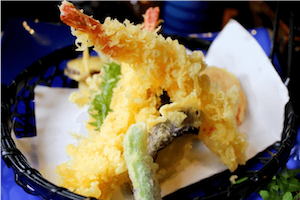
Tempura: Fish, shrimp, or any vegetable tempura deep-fried in oil and served with soy sauce-based dashi and salt. For those with gluten allergies, rice bran is available.
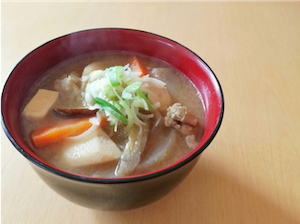
Miso soup: Miso is a fermented food, so it's healthy. I have it every morning. You can add tofu, wakame seaweed, or whatever you like. Miso flavors vary by region. In my house we enjoy different dishes depending on the occasion.
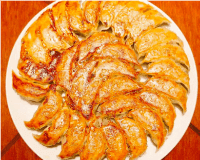
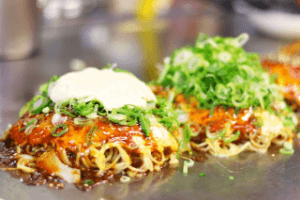
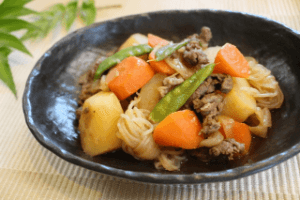
I would like to know what dishes I can make when I go back to your country, such as Nikujaga (meat and potato stew), Okonomiyaki, Gyoza (dumplings), and Grilled Fish. Please let me know your requests.
Gyoza is a dumpling using wrapping thing dough to hold the inner ingredients. Most commonly, minced pork, cabbage, Garlic and Leek. The origin of Gyoza is from China but it has evolved uniquely in Japan and now quite different from the Chinese one.
Tempura (天ぷら) is a classical Portuguese dish brought to and popularized by Japan, consisting of seafood or vegetables that have been battered and deep fried. Tempura is a typical home-style cooking in Japan. It is often referred to as a representative dish to Japan. Although there are various theories, it is said that Tokugawa Ieyasu, the general of the Edo period, liked tempura so much that he allegedly died from eating too much.
Okonomiyaki is a Japanese savory pancake, made with flour, eggs, shredded cabbage, meat and toppings as you like. This variability is reflected in the dish's name: "okonomi" literally means "to one's liking". You can eat it everywhere in Japan, but especially Okonomiyaki made Hiroshima style and Osaka style are the most famous.
Nikujaga literally means “meat and potatoes”, from two of the main ingredients niku (meat) and jagaimo (potatoes). It’s a comfort food for the Japanese and it is a very popular meal cooked at home. It is often considered “mother’s cooking” (“ofukuro no aji” おふくろの味 in Japanese) as each household cooks it just slightly different. The food itself is very simple and homely, and the warm bowl of your mother’s nikujaga brings one back to their roots. It is probably the most popular dish among all kinds of nimono (煮物 Japanese stewed dishes).
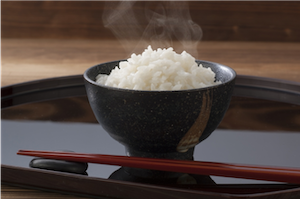
Rice is a staple food in Japan. In all most every family, there is a rice cooker. There is variety of Japanese rice brands such as Koshihikari and Hitomebore.
Miso soup is a traditional Japanese soup. It's base is "dashi" (Japanese fish stock) and Miso paste. Common added ingredients are Tofu, Green onion and deep‐fried tofu but differs by personal preference. The type of miso is different from region. In western and Easter Japan white miso is mostly used.
Dashi: The foundation of Japanese cuisine is dashi. Dashi is made with bonito flakes, kelp, and dried sardines, and can be used in any dish. While instant dashi is available, it's easy to make and enjoy delicious dashi.
Omusubi (rice balls) are made by cooking rice and forming them into balls. They're great for breakfast or lunch. Sprinkle salt on your hands and add your favorite ingredients, such as salmon, kelp, or pickled plums. Making them with the recipient in mind makes them truly delicious. My mother's rice balls were the best.
Dashimaki (rolled omelet) is soft and delicious because it's made with dashi, rather than tamagoyaki (rolled omelet). Dashimaki omelets at sushi restaurants are delicious, but you can also make them at home.
Tempura: Fish, shrimp, or any vegetable tempura deep-fried in oil and served with soy sauce-based dashi and salt. For those with gluten allergies, rice bran is available.
Miso soup: Miso is a fermented food, so it's healthy. I have it every morning. You can add tofu, wakame seaweed, or whatever you like. Miso flavors vary by region. In my house we enjoy different dishes depending on the occasion.
I would like to know what dishes I can make when I go back to your country, such as Nikujaga (meat and potato stew), Okonomiyaki, Gyoza (dumplings), and Grilled Fish. Please let me know your requests.

Yuka
I value delicious vegetables, rice, and organic farming methods. I have attended cooking classes many times in the homes of foreigners living in Japan. I myself attended cooking classes for tourists while traveling abroad, and this experience made me want to introduce hospitality and Japanese home cooking to my own home. I have been studying Spanish for seven years. Since I cannot speak English, I would like to host a class for Spanish-speaking people. I hope you enjoy it. I can also accommodate gluten-free diets.
The closest station
Sangenchaya Station
How to get to the station?
From Sangenchaya Station : 15mins
Free pick up service
This host can pick up you for free from the closest station!
Exact location provided after booking.
It costs 6000 per person.
Yes, La Cocina casera has a vegetarian option.
Please go to Sangenchaya Station which takes 15 mins from Sangenchaya Station . Then Yuka (host) will pick you up there!
Up to 2 people can join Yuka's cooking class.
Duration of this cooking class is 4 hours.
You will receive the confirmation within 24 hours.



We accepts these cards on airKitchen.
Cancellations up to 48 hours prior to the class begins will be fully refunded by the airKitchen cancellation policy.