[ Ys Table ] - Washoku Class -
Let's try making Temari sushi!
Also,Tempura, Chawanmushi (Japanese steamed egg pudding) and side dish. Also we offer Japanese tea and dessert.
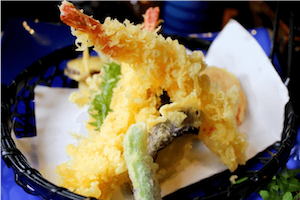
Tempura (天ぷら) is a classical Portuguese dish brought to and popularized by Japan, consisting of seafood or vegetables that have been battered and deep fried. Tempura is a typical home-style cooking in Japan. It is often referred to as a representative dish to Japan. Although there are various theories, it is said that Tokugawa Ieyasu, the general of the Edo period, liked tempura so much that he allegedly died from eating too much.
We will make Temari sushi.
They are small ball-shaped sushi, and we will put toppings like tuna, salmon, and egg on top.
<Tenpura>
Let's enjoy shrimp, vegetable, and mushroom tempura together.Please enjoy it with matcha salt.
A traditional Japanese steamed dish made primarily from eggs and dashi, with various ingredients added and steamed until solid.
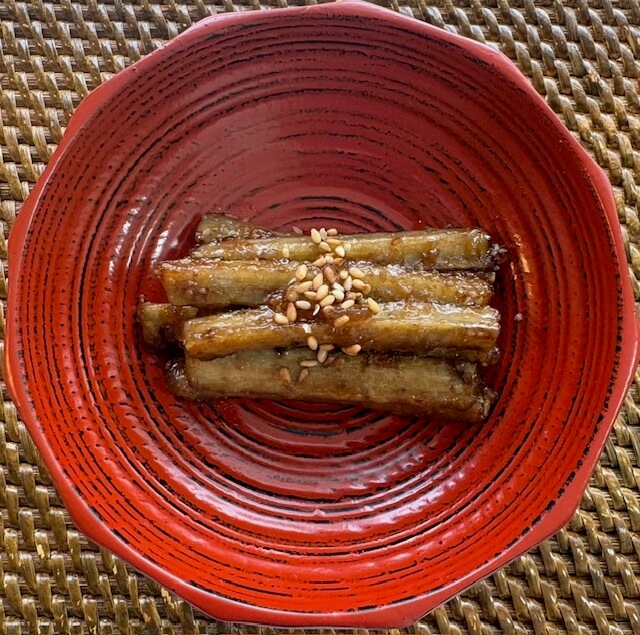
Lotus root is sliced and seasoned with soy sauce and sugar. It is a traditional Japanese home-style dish.
⁂Finally, please enjoy mizuyokan (sweet red bean jelly) and Japanese tea.

You can use IC cards only at the Park Gate.Please be careful. It's about 16 minutes' walk from Park Gate.
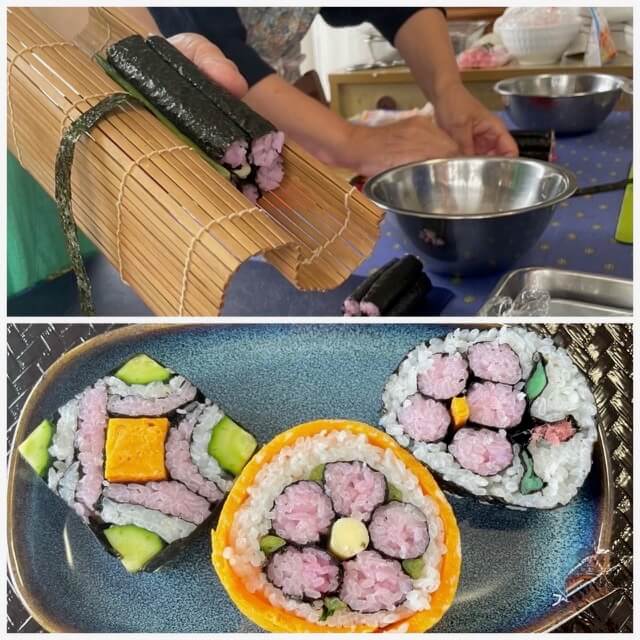
Matsuri sushi has traditionally been eaten at festivals, Hinamatsuri (Girl's Day), cherry blossom viewing, weddings, and family gatherings. In the past, it was made and served by men. However, as women began to make it, it has evolved into a more colorful dish. It is known by various names, such as "Futomaki Matsuri Sushi" and "Chiba Matsuri Sushi."
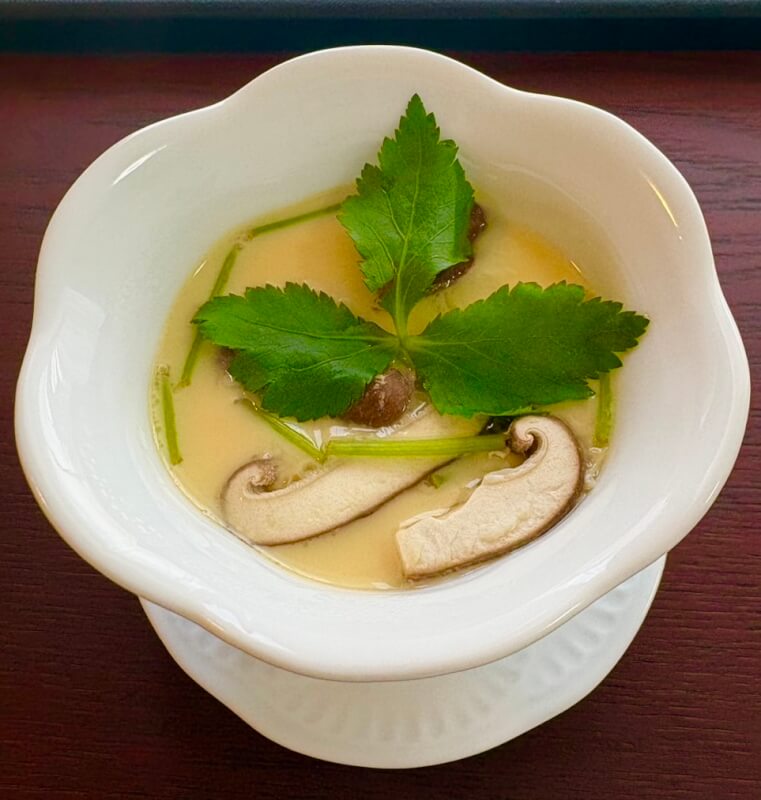
A traditional Japanese steamed dish made primarily from eggs and dashi, with various ingredients added and steamed until solid. Its smooth texture is characterized by ingredients such as kamaboko (fish cake), shiitake mushrooms, and chicken.
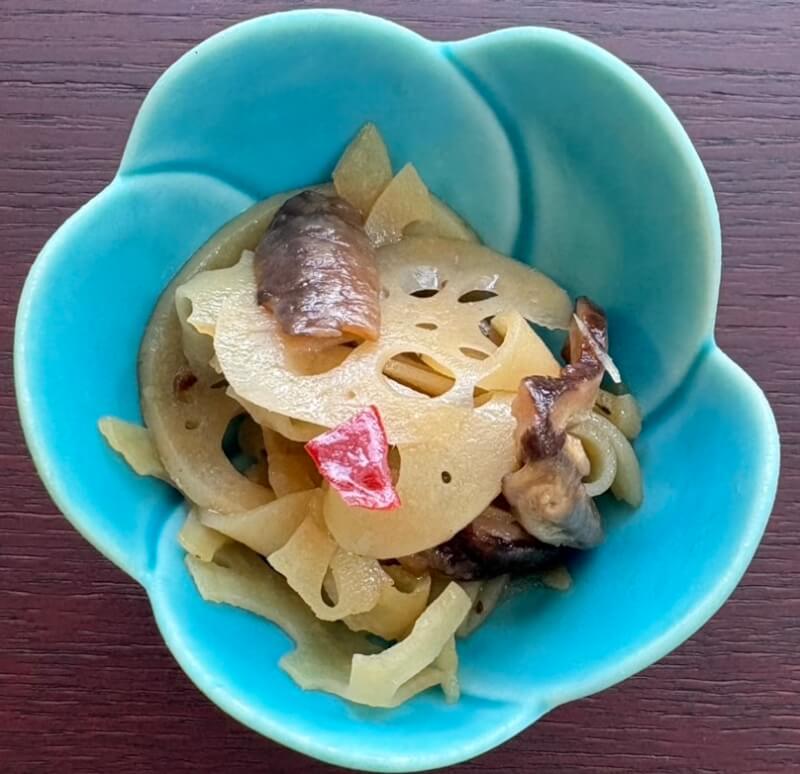
Lotus root is considered auspicious because it symbolizes "the ability to foresee the future." Lotus root is also rich in nutrients that are good for your health. Burdock is a symbol of strength and stamina, and is a dish that prays for good health.
Lastly,please enjoy Japanese tea and homemade sweets(mizu yokan).Mix sugar and smooth red bean paste into the dissolved agar liquid, then pour it directly into a mold and let it cool until solidify
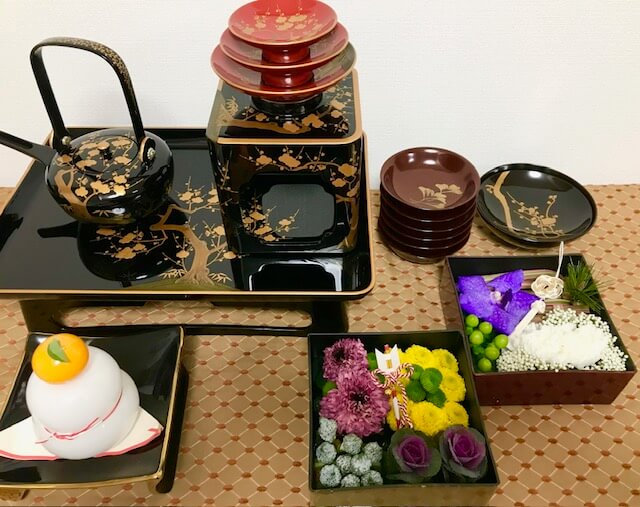
Please enjoy the Traditional Japanese New Year's tablewar from January to February.
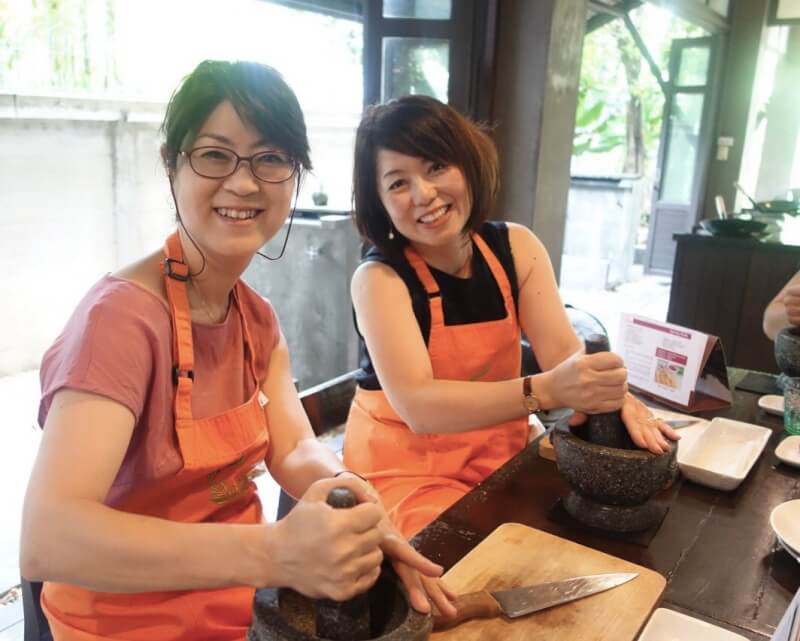
We hope to create wonderful memories with everyone.

Yuriko
★★★★★ (2)Yuriko and Yuka are waiting for your participation!
Yuriko: I started to learn to bake bread and sweets through 'Home Made Cooking' 25 years ago. I'm interested in cuisines from various countries, and I enjoy finding cooking classes in those countries when I traveled.
The menu we offer... 'Chiba Matsuri Sushi' from my mother. I have always made this menu for celebratory occasions. I also demonstrated Matsuri Sushi when I lived in Canada and at a cooking school in Italy. Yuriko
Yuka: My interest in cooking began when I was living in the US, and attended a course at the Culinary Institute of America. People from various countries asked me to cook Japanese home-cooked meals. From that experience, I want to introduce popular Japanese cuisine to as many people as we can.
I also love Italian cuisine. Gianluca in Firenze is my teacher of Tuscan cuisine. We are more than welcome to talk about various food experience in class. Yuka
The closest station
Kaihinmakuhari Station
How to get to the station?
From Kaihinmakuhari Station: 15mins
Free pick up service
This host can pick up you for free from the closest station!
Exact location provided after booking.
ruriko, Japan
★★★★★昨日は、アメリカから来たお友達を連れて、一緒に参加しました。 料理はどれも、とても美味しかったです。 花の形をした巻き寿司は、作り方を丁寧に教えてもらい、可愛い形にできました。 友達もとても喜んでくれました。 雛祭りが近いので、是非作ってみようと思っています 楽しい時間をありがとうございました This was my second time in Japan, and I joined because I just love Japanese food! It was such a great experience — I got to enjoy Japanese culture and learned how to cook simple, tasty dishes. The English recipes were easy to understand, especially with the photos. Emma
Feb 2026
Mavis, Hong Kong
★★★★★We had a really good experience cooking with Yuriko and Yuka. They were extremely welcoming and nice, and they had a really nice chemistry with each other that made them delightful to watch and work with. They were very nice and patient with us and our 11 month old daughter. They prepared a child seat and snacks for her so she could watch at the table while we worked. Our Japanese level was quite low but we communicated smoothly in a mix of Japanese and English. The printed instructions were in English and Yuriko and Yuka gave very good demonstrations. We were able to follow along nicely and it was really nice seeing the festive sushi come together part by part. The ingredients were all very local and authentic - things that real Japanese families would use. In fact, that was the best part of the experience. We really felt welcomed into a local and down-to-earth experience. The location is a little bit from the nearest station but we were able to find the location easily with the instructions. Yuka and Yuriko were also happy to take us to the location if we needed it. Definitely recommended for an authentic local experience!
Jan 2026
{{item.guest_name}}, {{item.nationality}}
{{item.comment}}
{{item.month}} {{item.year}}
Response from Yuriko
{{item.host_review_reply}}
Please go to Kaihinmakuhari Station which takes 15 mins from Kaihinmakuhari Station. Then Yuriko (host) will pick you up there!
Up to 5 people can join Yuriko's cooking class.
Duration of this cooking class is 3 hours.
It costs 10000 per person.
You will receive the confirmation within 24 hours.



We accepts these cards on airKitchen.
Cancellations up to 48 hours prior to the class begins will be fully refunded by the airKitchen cancellation policy.