・Clear Soup (Osuimono)
Osuimono is a traditional Japanese clear soup that highlights the delicate flavor of dashi broth.
Dashi, made from kombu (sea kelp) and bonito flakes, is the foundation of Japanese cuisine.
In this lesson, you will learn how to prepare authentic dashi from scratch and experience why subtle flavor is so important in Japanese cooking.
The soup is lightly seasoned with salt and soy sauce, and may include seasonal ingredients such as mushrooms, tofu, or vegetables.
Osuimono represents the Japanese values of simplicity, harmony, and respect for ingredients.
・Otsukuri (Sashimi)
Otsukuri, or sashimi, is one of the most iconic dishes in Japanese cuisine, allowing guests to enjoy the natural flavor and texture of fresh fish.
It reflects the Japanese appreciation for simplicity, precision, and respect for ingredients.
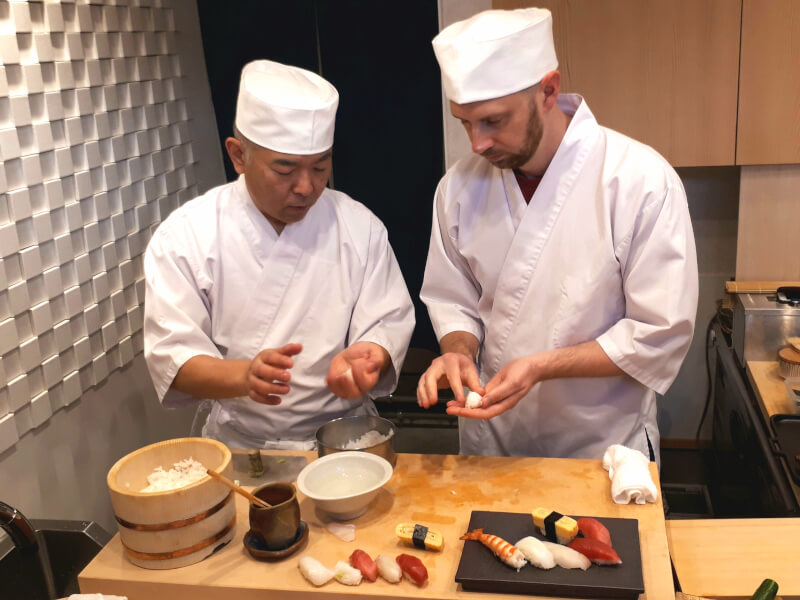
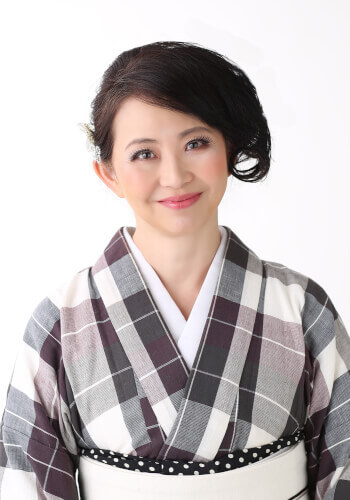
During this experience, cooking instructor Manami Nikaido will demonstrate traditional Japanese knife techniques by slicing fish in front of the guests.
Different fish require different cutting methods, and even the angle and thickness of each slice can change the texture and flavor.
You will also learn about the importance of knife skills and the philosophy behind beautiful presentation in Japanese cuisine.
Through otsukuri, guests can experience the delicacy and deep respect for ingredients that are central to Japanese food culture.
・Temari Sushi (Bite-Sized Round Sushi)
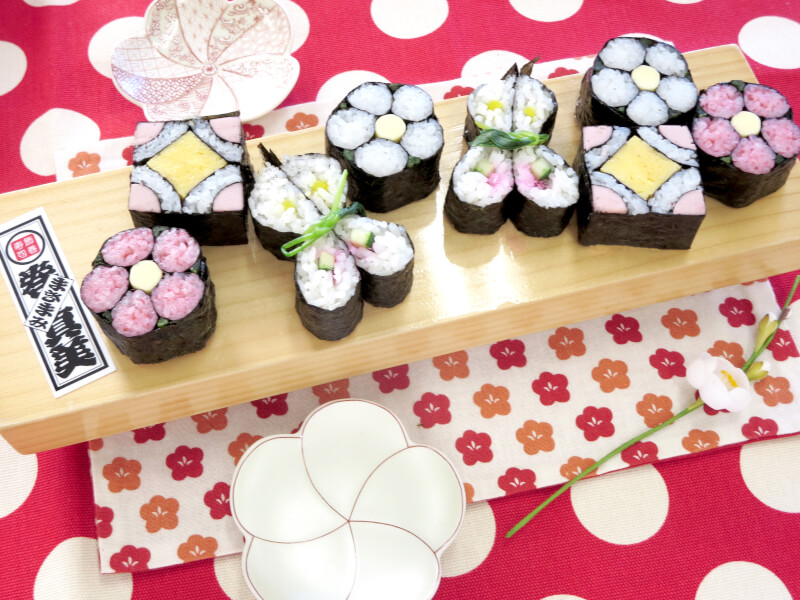
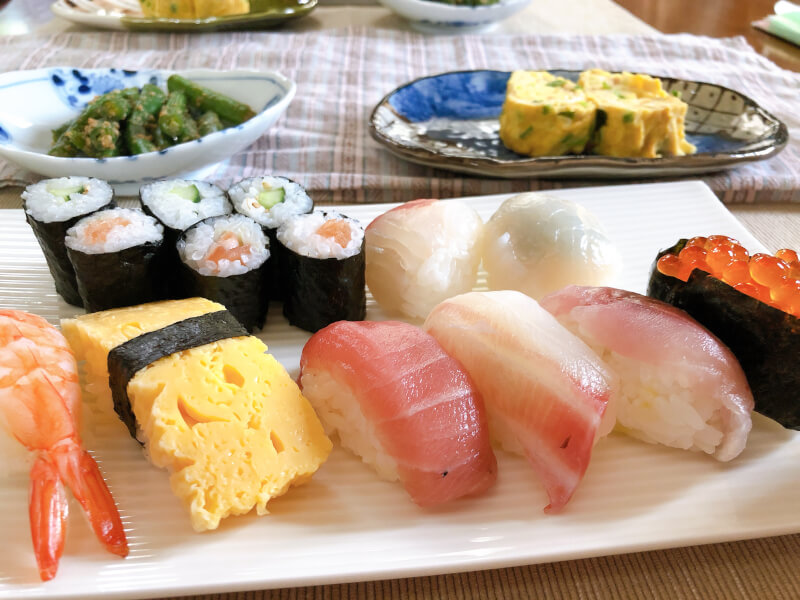
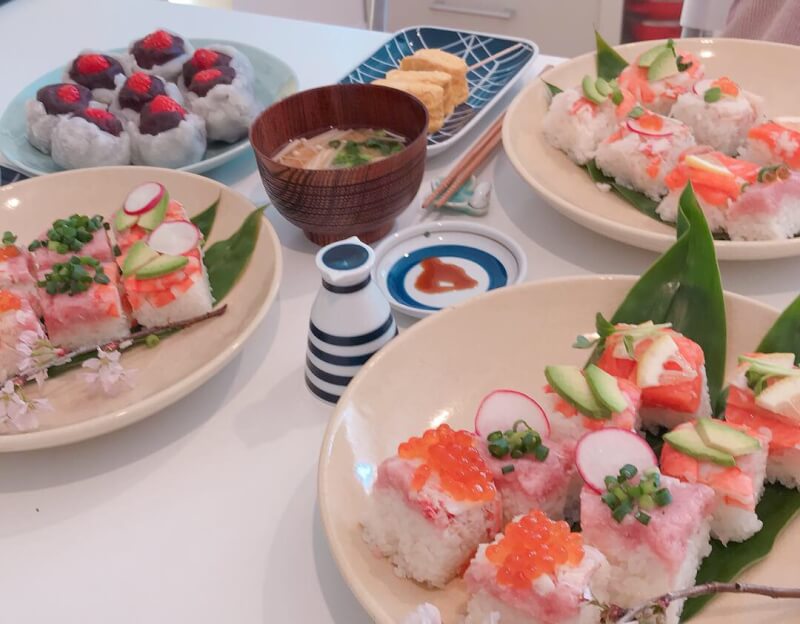
Temari Sushi is a colorful and elegant style of sushi shaped into small round balls.
In Japan, it is often enjoyed at family celebrations and seasonal gatherings.
In this lesson, you will learn how to prepare sushi rice and season it with rice vinegar, sugar, and salt.
You will then create beautiful bite-sized sushi using seasonal fish, vegetables, egg, and other ingredients.
Temari Sushi reflects the Japanese appreciation for seasonality, color, and beautiful presentation.
Its delicate appearance also expresses the spirit of Japanese hospitality.
・Pressed Sushi (Oshi Sushi)
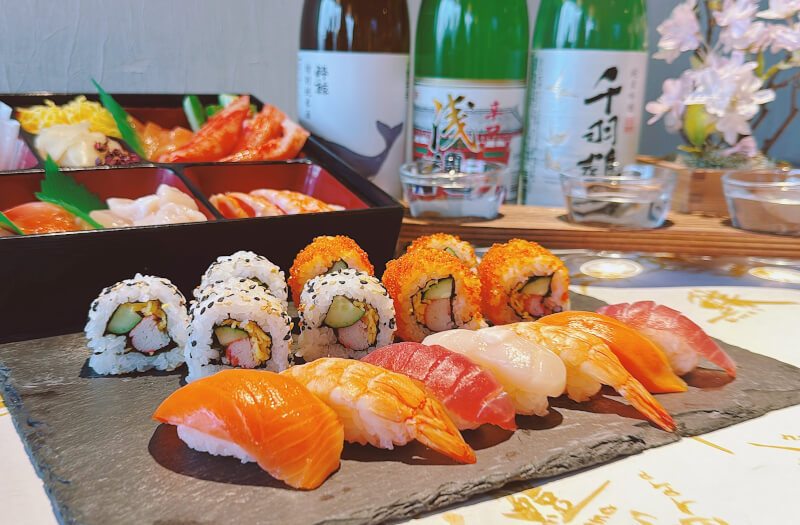
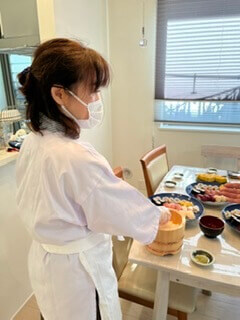
Pressed Sushi, known as Oshi Sushi, is a traditional Japanese sushi style made using a wooden mold.
You will experience the unique Japanese technique of layering sushi rice and ingredients beautifully, then pressing them into shape.
Unlike nigiri sushi, Oshi Sushi is another style of sushi that has long been enjoyed in Japanese homes.
・Japanese Sweets (Wagashi) & Japanese Green Tea
Wagashi are traditional Japanese sweets that express the beauty of the seasons and nature.
They are often enjoyed together with Japanese green tea and reflect Japan’s delicate aesthetic sense.
In this experience, you will enjoy making simple homemade Japanese sweets.
While tasting matcha, which has become increasingly popular around the world, you will also learn about Japanese tea culture and hospitality.
The gentle sweetness of wagashi and the refreshing taste of Japanese tea create a harmony that is unique to Japanese culture.
This experience is not just a cooking class.
It is an opportunity to experience the Japanese values of seasonality, harmony, and hospitality through food and cooking.
The lesson begins with dashi, the foundation of Japanese cuisine.
Using kombu (sea kelp) and bonito flakes, you will learn a simple yet authentic way to prepare dashi and discover why Japanese cuisine values delicate umami flavors rather than strong seasoning.
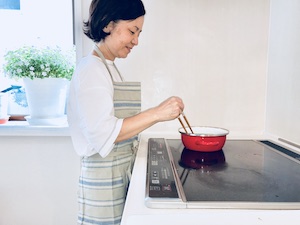
Using the dashi you make, we will prepare Osuimono, a traditional Japanese clear soup.
Through its gentle aroma, clear appearance, and refined flavor, you will experience the unique aesthetic of Japanese cuisine.
You will also experience making Temari Sushi and Pressed Sushi.
While learning how to season sushi rice with vinegar, sugar, and salt, you will create colorful sushi using seasonal fish and vegetables.
Through presentation and color combinations, we will introduce the Japanese sense of beauty and balance in food.
In addition, cooking instructor Manami Nikaido will demonstrate traditional Japanese knife techniques for preparing Otsukuri (sashimi).
You will see how cutting methods differ depending on the type of fish, as well as learn about Japanese knife skills and beautiful presentation techniques.
Finally, we will enjoy Japanese sweets and tea together.
While experiencing easy homemade wagashi making, you will also enjoy Japanese tea and matcha while learning about Japanese tea culture and the appreciation of the seasons.
During this lesson, you will experience:
Making dashi from kombu and bonito flakes
Preparing traditional Osuimono soup
Making sushi rice
Shaping Temari Sushi and Pressed Sushi
Watching a Japanese knife technique demonstration
Making simple Japanese sweets
Enjoying Japanese tea and matcha
This experience is designed not only to teach Japanese cooking, but also to help guests understand why Japanese people value seasonality, harmony, and simplicity through food.
We look forward to welcoming guests who would like to deeply experience Japanese food culture.

Manami
Hello and welcome to Manami Nikaido’s Cooking Salon!
I’m Manami Nikaido, a home cooking instructor passionate about sharing the beauty of Japanese food culture with people from around the world.
I studied traditional Japanese cuisine, including Edo-style kaiseki and Japanese hospitality culture. Before starting my cooking classes, I also ran an izakaya in downtown Tokyo for over 10 years.
In my lessons, you will experience more than just cooking. I would love to introduce you to Japanese home-style dishes, dashi, sushi, food presentation, seasonal traditions, and the cultural values that Japanese people cherish through food.
Whether you are a beginner or a passionate food lover, everyone is welcome. I hope this experience becomes a warm and memorable part of your stay in Japan.
I look forward to meeting you in Tokyo!
The closest station
Kudanshita Station
How to get to the station?
From Ichigaya Station: 10mins
Exact location provided after booking.
Up to 6 people can join Manami's cooking class.
Yes, Japanese Homemade Sushi Experience in Tokyo has a vegetarian option.
Duration of this cooking class is 2.5 hours.
Yes, Japanese Homemade Sushi Experience in Tokyo has a vegan option.
It costs 18000 per person.
You will receive the confirmation within 24 hours.



We accepts these cards on airKitchen.
Cancellations up to 48 hours prior to the class begins will be fully refunded by the airKitchen cancellation policy.