・Onigiri
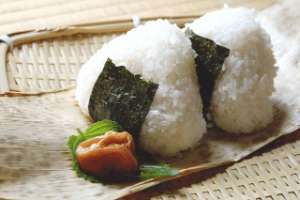
Onigiri is a traditional Japanese rice ball and one of the most familiar foods in everyday Japanese life.
We will make onigiri together using Japanese rice and simple fillings such as salmon, tuna, or other ingredients. You can also wrap your onigiri with nori seaweed.
・Miso Soup
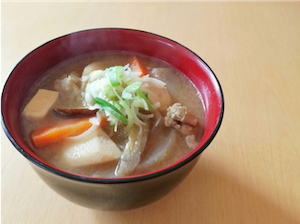
Miso soup is one of the most common dishes in Japanese home cooking.
It is made with dashi broth and miso, a traditional Japanese fermented seasoning. We will make a simple miso soup together and learn a little about how miso is used in everyday Japanese meals.
・Japanese Pickles
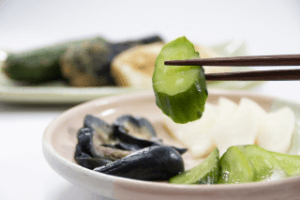
Japanese pickles, called “tsukemono,” are a common side dish served with rice in Japan.
There are many different kinds depending on the vegetables, seasonings, and region. We will enjoy a small selection together with our meal.
・Japanese Seasonings
During the experience, I would also like to introduce some Japanese seasonings such as miso and soy sauce.
You can taste them, learn how they are used in Japanese home cooking, and discover simple ways to enjoy them in your own cooking.
・Japanese Tea
We will enjoy Japanese tea together while talking about Japanese food, culture, travel, and everyday life.
Onigiri is a Japanese comfort food made from steamed rice formed into the typical triangular, ball, or cylinder shapes and usually wrapped with nori(dried seaweed). Stuffed with a a variety of fillings and flavors, these rice balls make an ideal quick snack and are a fun alternative to sandwitches for lunch.
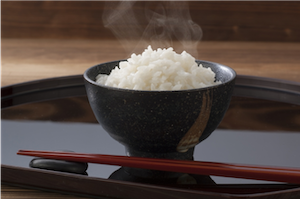
Rice is a staple food in Japan. In all most every family, there is a rice cooker. There is variety of Japanese rice brands such as Koshihikari and Hitomebore.
Miso soup is a traditional Japanese soup. It's base is "dashi" (Japanese fish stock) and Miso paste. Common added ingredients are Tofu, Green onion and deep‐fried tofu but differs by personal preference. The type of miso is different from region. In western and Easter Japan white miso is mostly used.
Japanese preserved vegetables, usually pickled in a salt, brine or a bed of rice bran. They are often served to satisfy the balance with other dishes in sensory, authentic and nutritious consideration. Tsukemono are raw vegetables and think of them as a type of salad with the added benefits of lactic-acid fermentation.
In this experience, we will make simple Japanese home-style food together.
We will make onigiri (Japanese rice balls) and miso soup, and enjoy them with Japanese pickles.
I will also introduce some Japanese seasonings such as miso and soy sauce, and explain how they are commonly used in everyday Japanese cooking.
While we cook and eat together, we can talk about Japanese food culture, local life, travel, and everyday life in Japan.
If you would like to be picked up at the nearest station on the day of the experience, please feel free to ask in advance. Pickup may be available depending on the schedule.
This experience is relaxed and casual, so beginners are very welcome!

Ann
Hello, I’m Ann!
I love traveling, local food, and meeting people from different cultures.
I have lived in Australia and Canada on working holidays and have also traveled around the U.S. on a road trip. Through these experiences, I came to really enjoy discovering a place through its food and the people who live there.
That’s why I decided to become a host. I’d love to share a more local and everyday side of Japan with travelers who want to experience local Japan.
I’m not a professional chef, but I enjoy simple Japanese home-style food such as onigiri and takoyaki. I also hope to introduce local rice, miso, soy sauce, and other Japanese products.
My experience is not just about cooking. I’d love to enjoy good food, conversation, Japanese culture, and sometimes simple calligraphy together.
Solo travelers are very welcome too!
I’m looking forward to meeting you!
The closest station
Nishiwakamatsu Station
How to get to the station?
From Aizuwakamatsu Station: 5mins
Exact location provided after booking.
It costs 5000 per person.
Up to 4 people can join Ann's cooking class.
Duration of this cooking class is 2.5 hours.
Yes, Taste Local Japan: Onigiri, Miso Soup & Japanese Culture has a vegetarian option.
You will receive the confirmation within 24 hours.



We accepts these cards on airKitchen.
Cancellations up to 48 hours prior to the class begins will be fully refunded by the airKitchen cancellation policy.