・Japanese Rice Cooked in a Donabe Clay Pot
Learn how to wash, soak, and cook Japanese rice properly using a traditional donabe clay pot.
・Miso Soup with Tofu and Wakame Seaweed
Make traditional dashi from kombu and bonito flakes, then use it to prepare an authentic Japanese miso soup.
・Teriyaki Fish
Cook seasonal fish with a classic Japanese teriyaki sauce made from soy sauce, mirin, sake, and sugar.
・Chawanmushi with Shiitake Mushroom
Chawanmushi is a delicate Japanese steamed egg custard made with dashi. You will learn the correct balance of egg and dashi, as well as the gentle steaming technique that gives it a smooth texture.
・Spinach Goma-ae
Spinach dressed with a savory sesame sauce. You will also learn how to recreate this dish overseas using ingredients such as tahini.
・Hijiki no Nimono
A traditional make-ahead side dish made with hijiki seaweed and vegetables simmered in dashi and Japanese seasonings. It is commonly prepared in advance and served in small portions over several days in Japanese homes.
The type of fish and some vegetables may vary depending on the season.
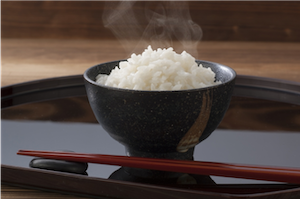
Rice is a staple food in Japan. In all most every family, there is a rice cooker. There is variety of Japanese rice brands such as Koshihikari and Hitomebore.
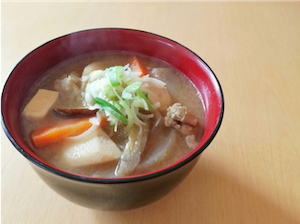
Miso soup is a traditional Japanese soup. It's base is "dashi" (Japanese fish stock) and Miso paste. Common added ingredients are Tofu, Green onion and deep‐fried tofu but differs by personal preference. The type of miso is different from region. In western and Easter Japan white miso is mostly used.
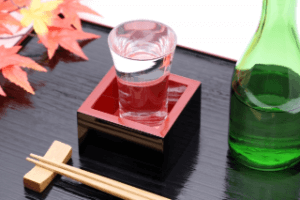
Japanese popular alcoholic drink must be Sake, or called Nihonshu, made from fermented rice. The foundation of good sake is quality rice, clean water, koji mold and yeast. Premium sake differentiates itself in quality of ingredients and production process, so that flavors ranges light and crisp to richer, fruity notes.
This is a one-day intensive course for anyone who wants to understand the foundations of healthy Japanese home cooking—not simply follow a few recipes.
You will learn how Japanese people build a balanced and satisfying home-cooked meal using dashi, rice, traditional seasonings, fish, eggs, vegetables, and dried ingredients.
We will begin by exploring the foundations of Japanese home cooking, including the concept of ichiju-sansai: a traditional meal consisting of rice, one soup, and several side dishes.
First, you will make traditional Japanese broth "dashi" from kombu and bonito flakes. You will taste the dashi on its own and learn why it is the foundation of so many Japanese dishes.
You will also taste and compare different types of Japanese soy sauce and miso. I will explain how their flavor, color, and saltiness differ, and how Japanese home cooks choose the right seasoning for each dish.
Next, we will explore essential ingredients found in a Japanese pantry. You will see and learn how to use dried ingredients such as kombu, bonito flakes, dried shiitake mushrooms, wakame seaweed, hijiki seaweed, and dried daikon radish.
Then, we will cook a complete Japanese home-style meal together:
・Japanese Rice Cooked on the Stovetop
Learn how to wash, soak, and cook Japanese rice properly using a regular lidded pot—so that you can easily recreate it in your own kitchen after returning home.
・Miso soup with tofu and wakame seaweed
・Teriyaki fish
・Chawanmushi with shiitake mushroom
・Spinach goma-ae with sesame dressing
・Hijiki no nimono, a traditional simmered side dish
Throughout the cooking process, you will learn practical skills such as washing and soaking Japanese rice, preparing fish, balancing Japanese seasonings, steaming chawanmushi, preparing vegetables, and using dashi in different dishes.
We will also have a special lesson called “Meal Prep the Japanese Way.”
You will learn how Japanese home cooks make everyday meals easier by preparing side dishes in advance, cooking rice in larger batches, changing the ingredients in miso soup, and storing food properly.
I will show you how I store and freeze cooked rice, homemade dashi, and hijiki no nimono in my own kitchen. These practical techniques will help you continue making Japanese meals after returning home.
Finally, we will sit down and enjoy the complete meal together.
Every participant will receive a printed course workbook containing the recipes and essential information covered in the class, as well as a personalized Certificate of Completion for the Healthy Japanese Home Cooking Fundamentals course.
This is a hands-on cooking course designed to help you understand not only how to prepare each dish, but also how Japanese home cooking works—so that you can recreate it and adapt it in your own kitchen.
Hello! I’m Sakiko. I’m originally from the Enoshima and Kamakura area near Tokyo, and I’ve been living in Kyoto for 10 years.
I teach vegan cooking classes, as well as authentic Japanese home cooking (including fish-based dishes) to Japanese women. I’ve been teaching for 7 years, and I specialize in dashi, the foundation of Japanese cuisine. I’ve also appeared on TV to introduce dashi and its traditions.
I'm a pescatarian myself, but I truly enjoy cooking vegetarian meals as well.
I lived in Florida for a year, where I worked as a sushi chef at a Japanese restaurant inside Walt Disney World. I also worked at a Japanese restaurant in Kyoto for several years.
I started this class because I love seeing guests discover how simple and delicious Japanese home cooking can be. I want to share Japanese food culture with people from around the world, support visitors from abroad, and—if I may say it humbly—do my small part in contributing to world peace. That’s why I created this vegan class.
I hope this experience becomes a special memory of your trip to Japan.
The closest station
Higashiyama station
How to get to the station?
From Kyoto station : 20mins
Exact location provided after booking.
It costs 19800 per person.
Duration of this cooking class is 5 hours.
Up to 4 people can join Sakiko's cooking class.
You will receive the confirmation within 24 hours.



We accepts these cards on airKitchen.
Cancellations up to 48 hours prior to the class begins will be fully refunded by the airKitchen cancellation policy.