・Simmered Taro with Yuzu (Satoimo no Nimono)
Taro simmered gently in dashi until tender, with the edges carefully rounded in the traditional way. Finished with fragrant yuzu peel. A quiet, elegant starter that shows the heart of Japanese home cooking.
・Clear Soup with Sardine Dumpling (Iwashi no Shinjo)
A delicate dumpling made from fresh sardines, served in a clear, golden dashi broth. Light and refined, this soup is a taste of kaiseki, Japan's traditional multi course cuisine.
・Simmered Pumpkin with Minced Chicken (Kabocha no Soboro ni)
Sweet Japanese pumpkin simmered with seasoned minced chicken. We will make this dish together, starting from the dashi, so you can recreate it at home.
・Spinach in Dashi Dressing (Horenso no Ohitashi)
Fresh spinach, briefly blanched and dressed with dashi and soy sauce. A simple side dish that teaches you how dashi changes the flavour of everyday vegetables.
・Seasoned Rice with Seasonal Ingredients (Takikomi Gohan)
Rice cooked together with seasonal vegetables and dashi, absorbing all of their flavour. Fluffy, savoury, and deeply comforting.
・Seasonal Miso Soup
A warm bowl of miso soup made with the day's seasonal ingredients and homemade style dashi. The everyday soul of the Japanese table.
・Seasonal Sweet with Green Tea (Kanmi to Nihoncha)
We finish the meal with a seasonal Japanese sweet and a cup of tea brewed in a traditional teapot. The sweet changes with the season, so every visit ends with a small taste of that moment in Japan.
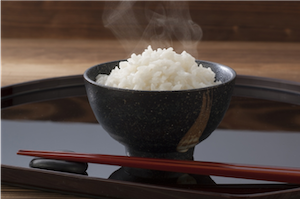
Rice is a staple food in Japan. In all most every family, there is a rice cooker. There is variety of Japanese rice brands such as Koshihikari and Hitomebore.
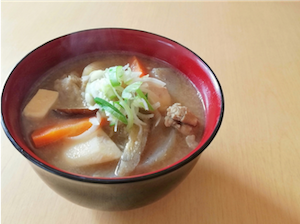
Miso soup is a traditional Japanese soup. It's base is "dashi" (Japanese fish stock) and Miso paste. Common added ingredients are Tofu, Green onion and deep‐fried tofu but differs by personal preference. The type of miso is different from region. In western and Easter Japan white miso is mostly used.
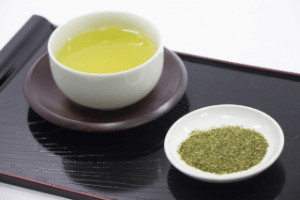
The astringent constituent in Japanese tea is a type of polyphenol called catechin. Japan has done a great deal with the humble tea leaf. For example some benefits of the catechin in the tea leaf can lower cholesterol in some cases. Roasted over charcoal at a high temperature and grown under shade for at least 20 days are one of the examples. The most popular Japanese tea might be ryokucha. Depending on the timing of picking the leaves, the grade, the price can be noticeably different.
This is a small, course style experience, limited to four guests. It is closer to a private chef's table than to a standard cooking class. We cook a full seasonal menu together, serve each dish on carefully chosen vessels, including antique pieces, and sit down to enjoy the meal as a complete course.
Your experience begins near Ebisu Station, where I will meet you and walk with you to the kitchen. After a welcome drink, we will wash our hands, put on aprons, and look at the day's ingredients together. I will explain what is in season in Japan right now, and why each ingredient was chosen for today's menu.
First, we will make dashi, the broth that is the foundation of Japanese cooking. You will shave nothing and rush nothing. We will soak kombu kelp, add bonito flakes at the right moment, strain the broth, and taste it together so you can remember the flavour with your own tongue.
Next, we will cook together. You will simmer pumpkin with seasoned minced chicken, blanch spinach for ohitashi, and prepare the seasoned rice. I will show you small techniques that Japanese home cooks use every day, such as rounding the edges of vegetables so they keep their shape and absorb flavour evenly.
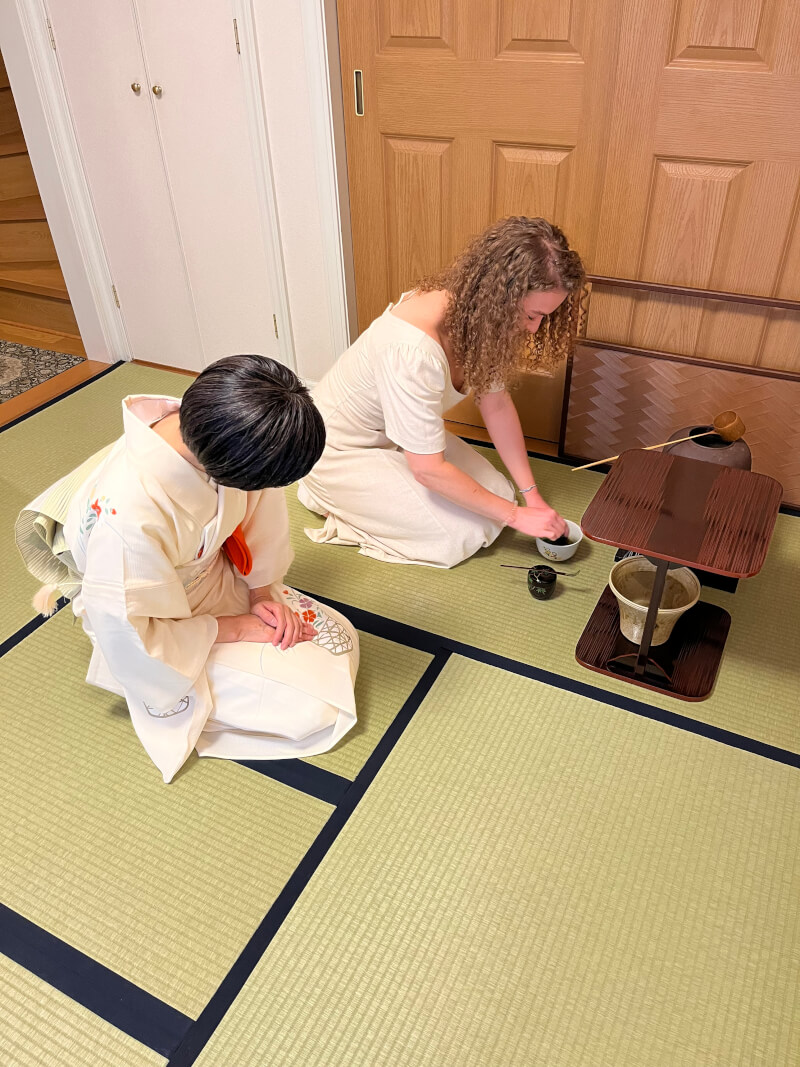
While the dishes rest, we will choose the vessels for each dish together. I will also share small courtesies of the Japanese table, such as moistening lacquer bowls and bamboo chopsticks before serving, a quiet habit from kaiseki cuisine.
Then we will sit down and enjoy the full meal together. Over lunch, I am happy to talk about Japanese food culture, seasonal customs, and even the stories behind kanji and Japanese words, if you are curious.
At the end, you will receive the recipes in English, and we will take photos together before we say goodbye.

Amy
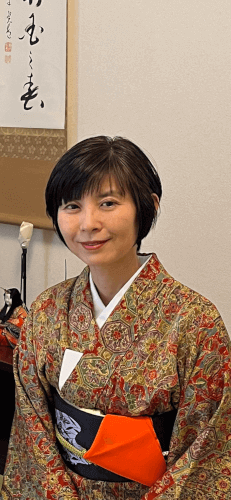
Hello, I'm Amy, a Tokyo cook specializing in seasonal washoku with a foundation in kaiseki, Japan's traditional multi course cuisine.
I started hosting because cooking is what I truly love.
For years I have cooked Japanese food at home for family and friends, and nothing makes me happier than watching people enjoy a meal I have made. I wanted to share that feeling with guests from overseas: not restaurant food, but the real, seasonal dishes that Japanese families eat at home, prepared with properly made dashi and a foundation in kaiseki, Japan's traditional cuisine.
My classes are held near Ebisu Station, a lively, food-loving neighborhood on the Yamanote Line, just minutes from Shibuya and Meguro. It is easy to reach from most parts of Tokyo.
Beyond cooking, I love the Japanese language itself — the stories behind kanji characters, classical waka poetry such as the Hyakunin Isshu, and antique art objects and tableware. Choosing the right vessel for each dish is part of the pleasure for me.
To my guests: please come as you are, and come hungry. No cooking experience is needed. Ask me anything about Japanese food, culture or daily life. I look forward to welcoming you to my table.
The closest station
Ebisu Station
How to get to the station?
From Ebisu Station: 0mins
Free pick up service
This host can pick up you for free from the closest station!
Exact location provided after booking.
Duration of this cooking class is 3 hours.
It costs 15000 per person.
Up to 6 people can join Amy's cooking class.
Please go to Ebisu Station which takes 0 mins from Ebisu Station. Then Amy (host) will pick you up there!
You will receive the confirmation within 24 hours.



We accepts these cards on airKitchen.
Cancellations up to 48 hours prior to the class begins will be fully refunded by the airKitchen cancellation policy.